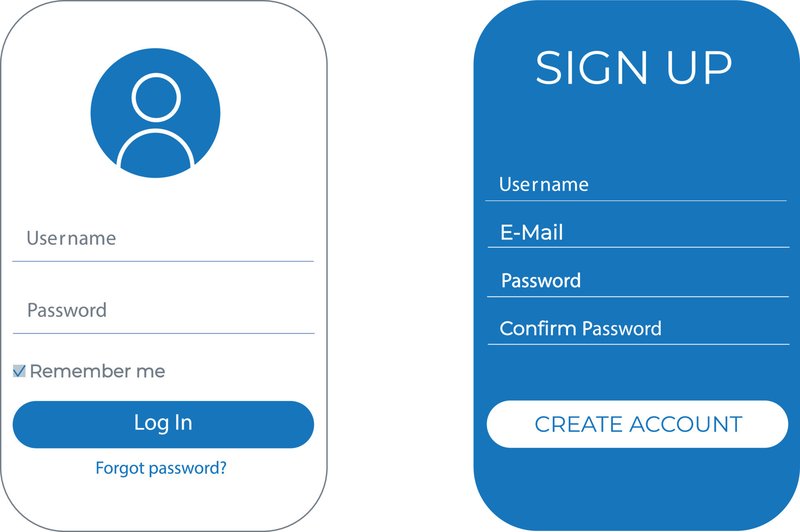
UnlimLuck has been on the radar for UK players since 2019, offering a slick interface and a catalogue of more than 200 slot titles, a handful of table games, and a progressive jackpot that tops £1 million. The first hurdle any newcomer faces is the login process. Whether you choose the web portal, the mobile app, or the “unlimluck casino login” page, each route has its quirks.
Web Login: Speed and Security in One
On the official UnlimLuck website, the login screen loads in under 2 seconds, even on a 3G connection. You simply enter your email and password, then hit “Login.” The site uses TLS 1.3 encryption and a two‑factor authentication prompt that sends a one‑time code to your registered phone number. That extra step stops most phishing attempts. If you forget your password, the reset link arrives in less than a minute; no captcha, no waiting.
One drawback: the web login does not support biometric authentication. If you’re a touch‑screen fan, you’ll have to type every time.
Mobile App: Convenience Meets a Few Glitches
The UnlimLuck app, downloadable from the Google Play Store or the Apple App Store, promises a “unlim luck download” experience that feels almost instant. After installation, you can log in with the same credentials used on the site. The app’s login screen is streamlined: email, password, and a single “Login” button. It also offers a “Remember Me” checkbox, which stores a hashed token on your device.
However, users have reported that the app’s login sometimes stalls on the loading spinner for up to 30 seconds, especially during peak hours. If you’re in a hurry, the web login might be the safer bet.
Account Creation: The UnlimLuck Login Register Path
Creating an account is a two‑step affair. First, you must complete a short KYC check: upload a passport or driver’s licence, and submit a selfie. Once verified, you receive a confirmation email with a link that finalises the registration. The process takes about 15 minutes in total, which is standard for UK‑licensed casinos.
Pros: The verification is thorough, which reduces the chance of account fraud. Cons: If you’re a cautious player, you’ll need to keep your documents handy, and the selfie requirement can feel intrusive.

Login Security Features Worth Noting
UnlimLuck employs several layers of protection:
- IP monitoring: If you log in from a new device, you receive a security alert.
- Session timeouts: After 30 minutes of inactivity, you’re automatically logged out.
- Account lockout: After five failed attempts, the account is locked for 15 minutes.
These measures keep the risk of unauthorized access low, but they also mean you’ll get a notification every time you change your password, which some players find annoying.
Which Login Method to Choose?
If you value speed and a straightforward interface, stick with the web login. It’s quick, secure, and free of the occasional app hiccup. If you prefer playing on the go and don’t mind a slight delay, the app offers a more immersive experience, especially when paired with the “unlim luck download” feature that lets you stream games directly to your phone.
Remember, whether you log in via the official site or the app, the same two‑factor authentication applies. That consistency is a reassuring sign of a well‑planned security strategy.
Final Word
UnlimLuck’s login ecosystem is solid, with robust security and a user‑friendly design. The main trade‑off is the app’s occasional slowdown, while the web route remains the fastest path to the casino floor. Either way, once you’re logged in, you’ll find a generous welcome bonus, regular promotions, and a mobile‑first interface that keeps you engaged. If you’re looking for a reliable UK casino, the UnlimLuck login process is a good starting point. For more details on how to navigate the UK gambling landscape, visit https://christiestailors.co.uk/.
Frequently Asked Questions
What are the main login methods for UnlimLuck Casino?
You can log in via the web portal, the mobile app, or the dedicated UnlimLuck login page.
Is the UnlimLuck login secure?
Yes, it uses SSL encryption and two‑factor authentication for added security.